Fixated on dazzling EU with which it has negative trade balance New Zealand imperils own pastoral economy.
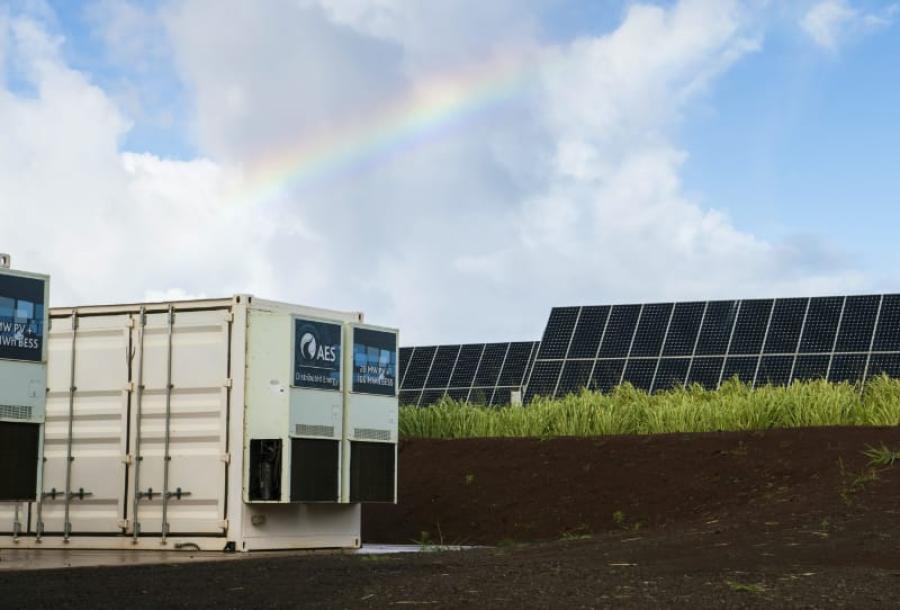
Immense storage batteries scheduled for industrial scale solar generation on agricultural pastures pose threats only now becoming visible notably in the dawning understanding that battery fires cannot be extinguished.
The battery vulnerability has come to light only in recent months, weeks even, when battery- powered vehicles have caught fire and have been immune to conventional firefighting systems.
Solar generating promoters remain reticent about the need for their battery installations and especially so as New Zealand solar farms are sited close to municipal electrical substations and which by definition are close to communities.
This is one of the reasons that planning schemes for the generation plants are submitted to authorities in isolation from the battery capacity requirements.
The vulnerability of communities to this unexplored conflagration threat has to date been deliberately shrouded.
The politico-media sector remains bound by an undeclared covenant which has the effect of avoiding any discussion at all that may be considered as negative to anything to do with renewables.
This covenant against any analytical discussion on renewables means also a self-imposed rule of silence on the chemical fall out from pastoral solar generating power stations.
This blissful state of ignorance extends for example to the nation’s wine growing districts sharing water tables with these electro-chemical installations.
A veil of silence is drawn over this sector’s vulnerability to protectionist barriers of the non tariff type being erected to keep out the New Zealand competing wines on the grounds of chemical contamination
New Zealand actually records as much as 93 percent of its reticulated power through renewables hydro and geothermal
But this has had little effect on the public sector zeal to show-off in the emissions stakes to for example the EU, all the more strange because New Zealand imports much more from the trading bloc than it imports from the bloc.
Nobody should be surprised at the look-at-us antics of a nation that still self-destructively ardently seeks to strangle the mainstay of its economy which is ruminants by inflicting the animals with gas (and thus productivity) reducing implants.
Neither is it any coincidence that German investment in solar figures so largely in New Zealand. The determination of successive German governments to stay in power by appeasing extremist green parties led to reliance on imported oil especially Russia’s and which financed Russia’s war of colonisation on Ukraine.
Another Australasian example of this failure to examine any problems associated with emission remains the continued covering of the nation’s high value pastures with pine trees.
This pasture is now acutely needed to meet record world demand for the nation’s food exports rather than the diminishing returns from the once ballyhooed offset foreign counter trade market.