
Founded by Max Farndale 1947 - 2018
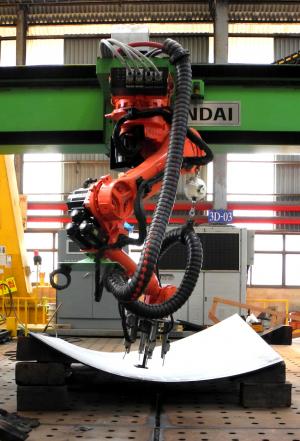
Hyundai Heavy Industries Co. said Sunday it will use robots to build ships for the first time in the industry to improve efficiency and cut costs.
The world's largest shipbuilder has recently completed a year of testing of a robotic system that automatically shapes a vessel's 3-D curved surface at its shipyard in Ulsan, located 414 kilometers southeast of Seoul.
The unmanned system is based on the Internet of Things and automation technologies, and is equipped with a high-frequency inductive heating system and a multi-joint arm, the company said.
Hyundai Heavy plans to add artificial intelligence and more sophisticated technologies in the future.
The system will increase productivity by three times compared with man-made work, as well as improve the quality of the end product, the company said. The company expects the robot will save costs from 100 billion won ($ 92.3 million) to 200 billion won for the next 10 to 20 years depending on its lifespan.
The Korean shipbuilder is one of the industry leaders in robotic adoption for efficiency, work safety and cost reduction.
Robots can substitute for skilled labor in welding, blasting, painting, heavy lifting and other tasks.
Source: (Yonhap) || March 05, 2018 |||

The Diversity Roadshow 2018 run by Diversity Works New Zealand in conjunction with the Chamber of Commerce kicks-off this Thursday the 8th of March in Whangarei.

As car companies see people willing to ditch their vehicles, they’re responding by offering more flexible options. Instead of owning one car, what if you got whatever car you want, just when you needed it?
Mar 05, 2018 - In the January 2018 Kiwiflier, Zespri advised that the Zespri Board had requested the management team to fast-track data collection for a red variety to allow a 2018 commercialisation decision.

A "Pacific reset" for New Zealand's foreign policy is on the way, with Jacinda Ardern leading a delegation around the Pacific this week to hear about the big issues facing the countries. Sam Sachdeva writes for Newsroom about the Government's motivations for wanting to up its game.
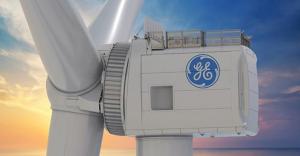
“The renewables industry took more than 20 years to install the first 17 gigawatt of offshore wind,” said Jerome Pecresse, CEO Renewable Energy. “Today, the industry forecasts that it will install more than 90 gigawatts over the next 12 years,” Pecresse aded.
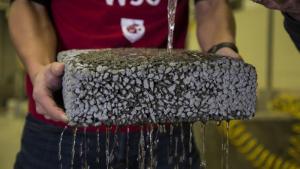
Although the production of carbon fiber goods may be steadily increasing, recycling the material still remains challenging. Thanks to research being conducted at Washington State University, however, it may soon be possible to grind up carbon fiber waste and use it in new-and-improved pervious concrete.

Trump is is coming under intense pressure from US business interests, foreign trading partners and international trade organisations to pull back from his tariff plan.

Footpowder maker Gran’s Remedy has been a household name in New Zealand for decades, and now the private Dunedin-founded company has been sold to listed Ebos Group writes Simon Hartley in the Otago Times.

Household levy-funded Corporation struggles to reconcile icy blasts with its global warming doctrine.
BBC World News presenters referring to the blizzard that alternately blasts and then freezes Britain and much of Europe insist on describing the storm as a “weather event.”

Palace of the Alhambra, Spain
By: Charles Nathaniel Worsley (1862-1923)
From the collection of Sir Heaton Rhodes
Oil on canvas - 118cm x 162cm
Valued $12,000 - $18,000
Offers invited over $9,000
Contact: Henry Newrick – (+64 ) 27 471 2242
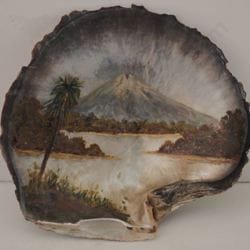
Mount Egmont with Lake
By: John Philemon Backhouse (1845-1908)
Oil on Sea Shell - 13cm x 14cm
Valued $2,000-$3,000
Offers invited over $1,500
Contact: Henry Newrick – (+64 ) 27 471 2242

|
|