
Founded by Max Farndale 1947 - 2018
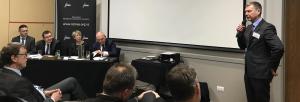
On Monday, the New Zealand Manufacturers and Exporters Association (NZMEA) hosted a forum to discuss policy issues of importance to manufacturers, featuring Hon Steven Joyce, National MP and Minister for Finance and Infrastructure, Grant Robertson, Labour's Finance Spokesperson, and James Shaw, Co-Leader of the Green Party. This was a great opportunity to hear three representatives from major parties engage with NZMEA members in a quality discussion on manufacturing, and today the NZMEA is releasing its list of policies for the 2017 election.
Mr Dieter Adam, CE, NZMEA said, “With the election only 7 weeks away, it’s important that all parties put forward their vision for creating a more prosperous and high-value economy, with manufacturing playing a key role.
"We believe the policies set out here will contribute to growing high value industries in New Zealand.
“We would like to see all parties include all or at least some of our 10 policy points in their election policies. These include working to develop a better understanding of manufacturing and its future potential through a Minister for Manufacturing, addressing skills shortages that hold back the industry from growth and changes to R&D settings to help increase business R&D spending.” Said Dieter.
The 10 NZMEA policy positions are outlined below. A full list can be found below and by clicking here.
”Our policies will help to create an environment where high value producers, particularly manufacturers, can thrive, grow exports and provide well-paid incomes so New Zealanders can have a more prosperous future. “ Said Dieter.
The NZMEA forum offered a robust conversation about the opportunities and challenges manufacturers face, focusing on the steady and growing contribution manufacturing is making to the goal of New Zealand exports reaching 40% of GDP, staying abreast of advancing technology and investing in a skilled workforce.
“Manufacturing has changed offering new opportunities for countries like New Zealand to grab and run with," says Mr Adam.
“Manufacturing is also entering a rich pipeline of innovations in materials and processes – from 3-D printing to advanced robotics, which promises to create efficiencies and speed to a global market.
“The future is more and more about innovation, increased productivity and global trade of high value components and we want to hear how our political leaders plan to support this.
“The forum was a positive step forward and we were pleased to hear politicians acknowledge the vital role both process and product innovation plays in growing our sector, " he says.
Prof Jane Goodyer, Head of School of Engineering and Technology, Massey University, moderated the event from a highly experienced perspective.
“The manufacturing sector is the backbone to NZ’s prosperity through taking our innovations to the world, " she shared.
“NZ has an opportunity to really add value to our economy. Industry, Government and education need to work closer together to make this happen,” says Prof Goodyer.
Prof Goodyer’s comments reiterate recommendations in a 2012 McKinsey report on the future of manufacturing, which concluded that two key priorities for both governments and businesses are education and the development of skills. They will need qualified, computer-savvy factory workers and agile managers for complex global supply chains. In addition to supporting ongoing efforts to improve public education—particularly the teaching of math and analytical skills—policy makers must work with industry and educational institutions to ensure that skills learned in school fit the needs of employers.
| An NZMEA release || August 9, 2017 |||
KiwiRail has linked up the track between Picton and Christchurch for the first time since November’s Kaikoura earthquake devastated the line, Transport Minister Simon Bridges announced today.
“Staff held a small ceremony near Rakautara, north of Kaikoura this morning, and completed the final weld,” Mr Bridges says.
“This is an important milestone in getting the line open again, and in easing the pressure on upper South Island roads.”
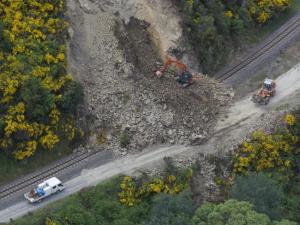
Teams from around the country have been working to replace twisted track, rebuild bridges, repair tunnels, and clear enormous slips along the route in order to get freight moving again on rail in the South Island.
“The line is a critical component of the New Zealand transport network, carrying around 1 million tonnes of freight annually before the earthquake,” Mr Bridges says.
“While there is still work to be done, KiwiRail is making good progress towards returning freight services to this route.
“Getting it open will ease pressure on the alternate road, which has been the main route to shift freight south since the earthquake closed the coastal road and rail networks. It will also help with the reinstatement of State Highway 1 and the railway by moving materials to worksites along the route.
“A lot of work still remains to be done, but the workers from KiwiRail and its partners in the North Canterbury Transport Infrastructure Recovery (NCTIR) alliance have done a great job getting it to this stage,” Mr Bridges says.
There were close to 60 major damage sites including tunnels, bridges, embankments, and the line had been buried under more than 100 slips and landslides. Approximately 60 bridges were damaged and repairs are being carried out at more than 750 sites.
“The Government is committed to restoring the road and rail services along this important coastal corridor, and it is great to see the significant progress being made,” Mr Bridges says.
| A Beehive release || August 9, 2017 |||


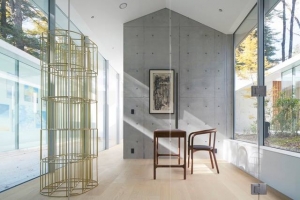
Prime Minister, Rt Hon Bill English, will officially open the Kahukura Engineering and Architectural Studies facility at Ara Institute of Canterbury City Campus Christchurch on 10 August.
The new $34m, 6500m building on Moorhouse Avenue is the jewel in the crown of a 10 year master plan of rebuilding and refurbishment across the institute’s five campuses.
Kahukura was designed by Jasmax to offer students both purpose-built workshops and studios, and flexible learning spaces, that mirror industry workplace conditions.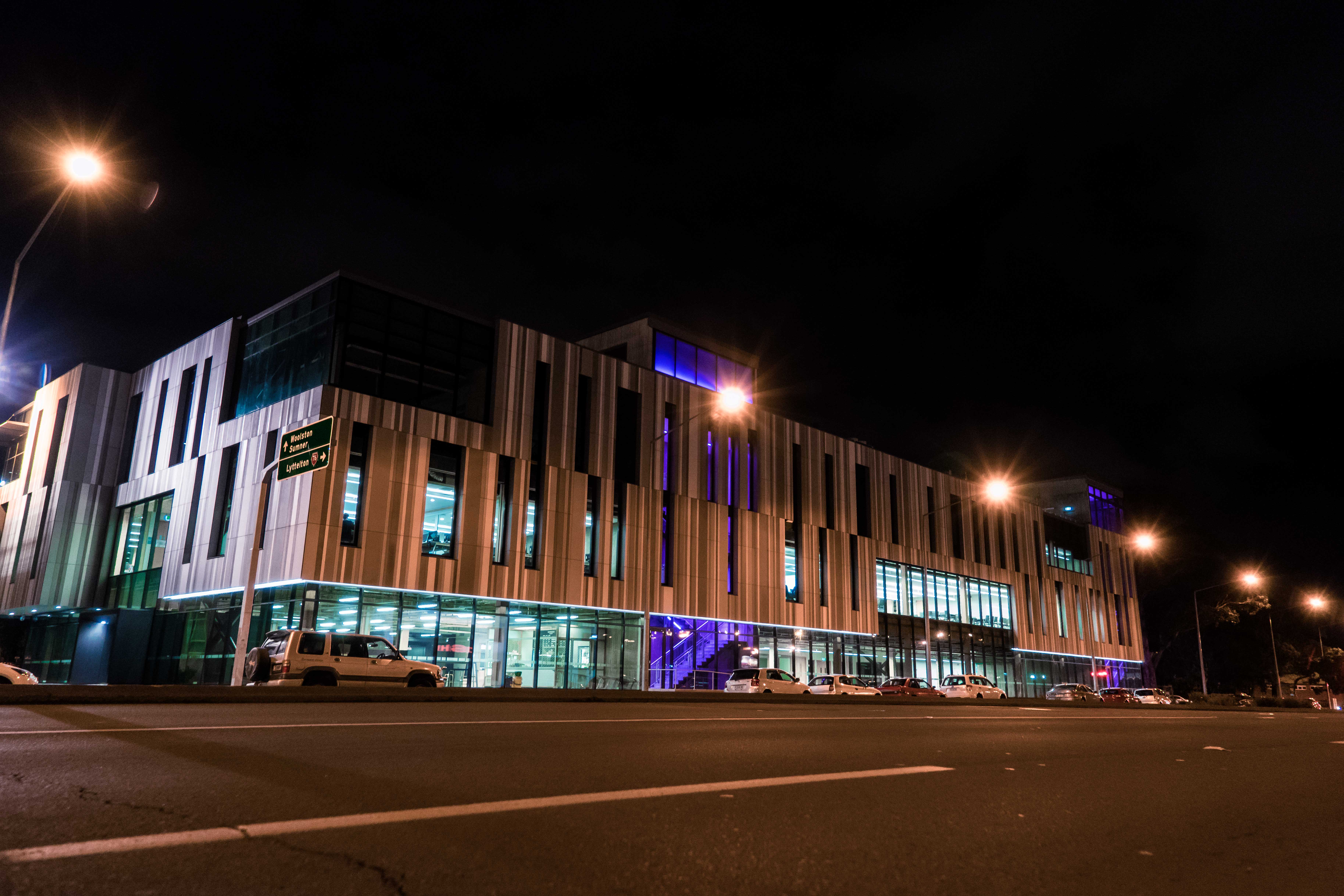
Engineering, architectural studies, quantity surveying and interior design programmes will be taught in the Kahukura building and students have started semester two in the spacious new building, which doubles as a teaching tool.
“For students who will be designing and engineering the buildings of the future, Kahukura is an inspiring place to develop skills and awareness,” Acting Chief Executive Darren Mitchell says. “The structural elements of the building are exposed so that students can see how the elements work together on both practical and aesthetic levels. It is also a forward thinking building in terms of the materials used and the sustainable components.”
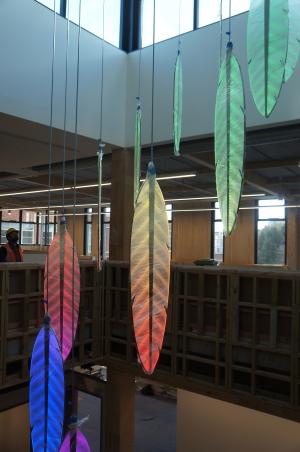
Timber dominates throughout as a structural element with other highlights the wide feature staircase, original artwork by Niki Hastings-McFall, a building facade inspired by Maori cloaks (known as kahukura) and a public exhibition space.
Powell Fenwick were the engineers and Inovo provided project management on the building.
Former Prime Minister John Key opened the Whareora, Sports and Wellbeing facility, also at the City Campus Christchurch in early 2015.
Ara has also refurbished the Woolston Campus and added new buildings and resources for trades training, is nearing completion of a North Green at the Christchurch campus, is evaluating requirements for the three southern campuses and will begin work on a Student Hub in Christchurch soon.
| An ARA release || August 8, 2017 |||
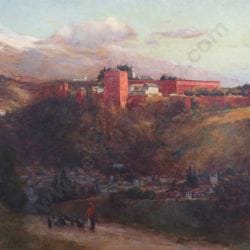
Palace of the Alhambra, Spain
By: Charles Nathaniel Worsley (1862-1923)
From the collection of Sir Heaton Rhodes
Oil on canvas - 118cm x 162cm
Valued $12,000 - $18,000
Offers invited over $9,000
Contact: Henry Newrick – (+64 ) 27 471 2242
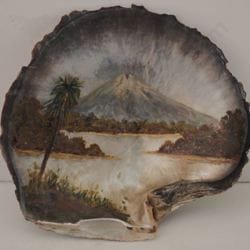
Mount Egmont with Lake
By: John Philemon Backhouse (1845-1908)
Oil on Sea Shell - 13cm x 14cm
Valued $2,000-$3,000
Offers invited over $1,500
Contact: Henry Newrick – (+64 ) 27 471 2242

|
|
