MSC NewsWire

Founded by Max Farndale 1947 - 2018
  • Home
    • About Us
    • Pricing
    • Global Presswire
    • Industry Organisations
  • News Sectors
    • Headlines Through Today
    • Environmental Talk
    • Out of The Beehive
    • Primary Sector Talk
    • Reporters Desk
    • The MSC NewsReel
    • MSCNetwork
    • FinTech Talk
    • The FactoryFloor Newsreel
    • Trade Talk
    • News Talk
    • Industry Talk
    • Technology Talk
    • Blockchain
    • Highlighted
    • The TravelDesk
      • TravelMedia
      • Sporting Tours
      • Holidays Tours Events + More
      • Airfares
      • Travel Enquiry Form
      • TravelBits
    • Travel Updates
    • The MSC TravelDesk Newsreel
    • Travel Talk
    • Travel Time
    • The Bottom Line
    • Regional News
    • News to Run Advice Form
    • World News
    • NewsDIRECT
    • MSCVoxPops
    • Press Releases
  • National Press Club
  • Contact Us

Rare bird sighting at our Maungaturoto site

  • font size decrease font size decrease font size increase font size increase font size
  • Print
  • Email
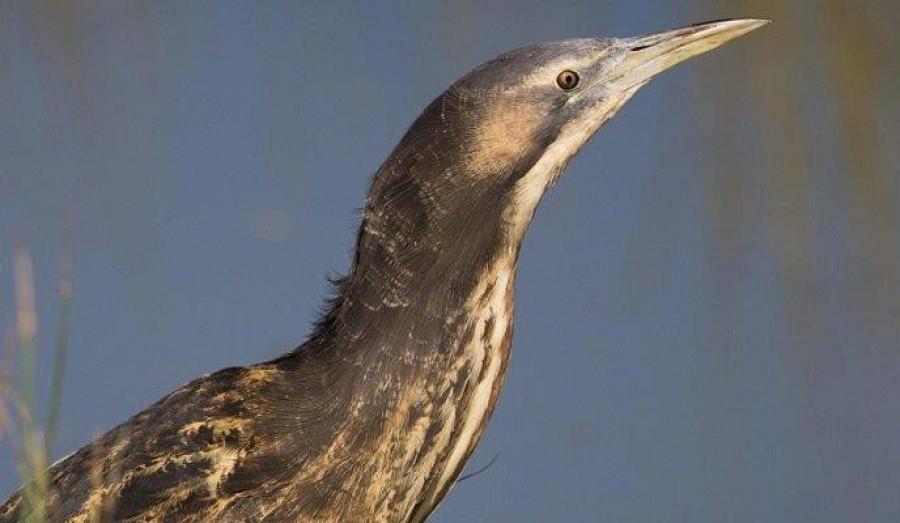
The Australasian Bittern, or Matuku The Australasian Bittern, or Matuku

Fonterra’s Maungaturoto manufacturing site in Northland, New Zealand has recently become home to a rare Australasian Bittern.

The Australasian Bittern, or Matuku as they are known, is a large, heron sized bird. They are rarely sighted because of their secretive behaviour and camouflage technique and are usually most active at dawn, dusk and through the night.

Long serving utilities operator at the site Gary Sosich said he had seen the rare bird while doing routine checks on the site’s stormwater diversion system. He then realised that there was two of them, indicating that there may be a breeding pair living in the wetland. Maungaturoto Environmental Manager Steve Gale says, “It’s positive to see our stormwater treatment wetland is supporting biodiversity. It’s a credit to the stormwater management system we have in place.”

“The bittern population in New Zealand used to be abundant, but there is now thought to be less than 1,000 left due to habitat loss. It’s encouraging to see that our constructed wetland is a comfortable home for them and somewhere that they feel safe.” The bird is an indicator of wetland health, due to their dependence on the presence of high quality and ecologically diverse habitats with a rich food supply

|  A Fonterra release  ||  September 9,  2017   |||
Published in ENVIRONMENT
Tagged under
  • environment
  • The Reporters Desk
  • the msc newsreel

Related items

  • Assault and Battery on Pastoral Economy
  • Shane Jones Extinguishes De-Banking Blackmail
  • Jews Indigenous to Homeland Israel
  • Australia Green Energy Superpower Lures Elon Musk
  • Australian Election Campaign U-Turn Riddle in New Zealand
More in this category: « Wood boiler - saving time and emissions at Timaru campus Sea salt around the world is contaminated by plastic, studies show »
back to top

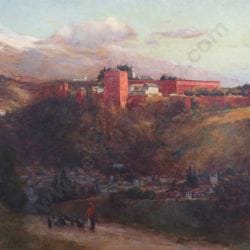
Palace of the Alhambra Spain

Palace of the Alhambra, Spain

By: Charles Nathaniel Worsley (1862-1923)

From the collection of Sir Heaton Rhodes

Oil on canvas - 118cm x 162cm

Valued $12,000 - $18,000

Offers invited over $9,000

Contact:  Henry Newrick – (+64 ) 27 471 2242

Henry@HeritageArtNZ.com


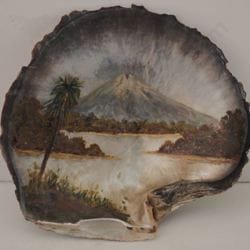
Mount Egmont with Lake

Mount Egmont with Lake 

By: John Philemon Backhouse (1845-1908)

Oil on Sea Shell - 13cm x 14cm

Valued $2,000-$3,000

Offers invited over $1,500

Contact:  Henry Newrick – (+64 ) 27 471 2242

Henry@HeritageArtNZ.com

MSC NewsWire is a gathering place for information on the productive sector in New Zealand focusing on Manufacturing, Productive Engineering and Process Manufacturing

  • Home
  • Global Presswire
  • Industry Organisations
  • National Press Club
  • Disclaimer
  • About Us
  • Pricing
  • Sitemap
Copyright © 2025 MSC NewsWire. All Rights Reserved.
Site Built & Hosted by iSystems Limited
Top
Environmental Talk