MSC NewsWire

Founded by Max Farndale 1947 - 2018
  • Home
    • About Us
    • Pricing
    • Global Presswire
    • Industry Organisations
  • News Sectors
    • Headlines Through Today
    • Environmental Talk
    • Out of The Beehive
    • Primary Sector Talk
    • Reporters Desk
    • The MSC NewsReel
    • MSCNetwork
    • FinTech Talk
    • The FactoryFloor Newsreel
    • Trade Talk
    • News Talk
    • Industry Talk
    • Technology Talk
    • Blockchain
    • Highlighted
    • The TravelDesk
      • TravelMedia
      • Sporting Tours
      • Holidays Tours Events + More
      • Airfares
      • Travel Enquiry Form
      • TravelBits
    • Travel Updates
    • The MSC TravelDesk Newsreel
    • Travel Talk
    • Travel Time
    • The Bottom Line
    • Regional News
    • News to Run Advice Form
    • World News
    • NewsDIRECT
    • MSCVoxPops
    • Press Releases
  • National Press Club
  • Contact Us

Important Data to Help Reduce In-Transit Produce Waste

  • font size decrease font size decrease font size increase font size increase font size
  • Print
  • Email
Important Data to Help Reduce In-Transit Produce Waste

Whether it’s apples from New Zealand or bananas from Ecuador, produce often travels great distances to get to the consumer and loss due to spoilage or other problems along the supply chain is costly and wasteful. But Swiss scientists have come up with a new sensor that could help solve this issue.

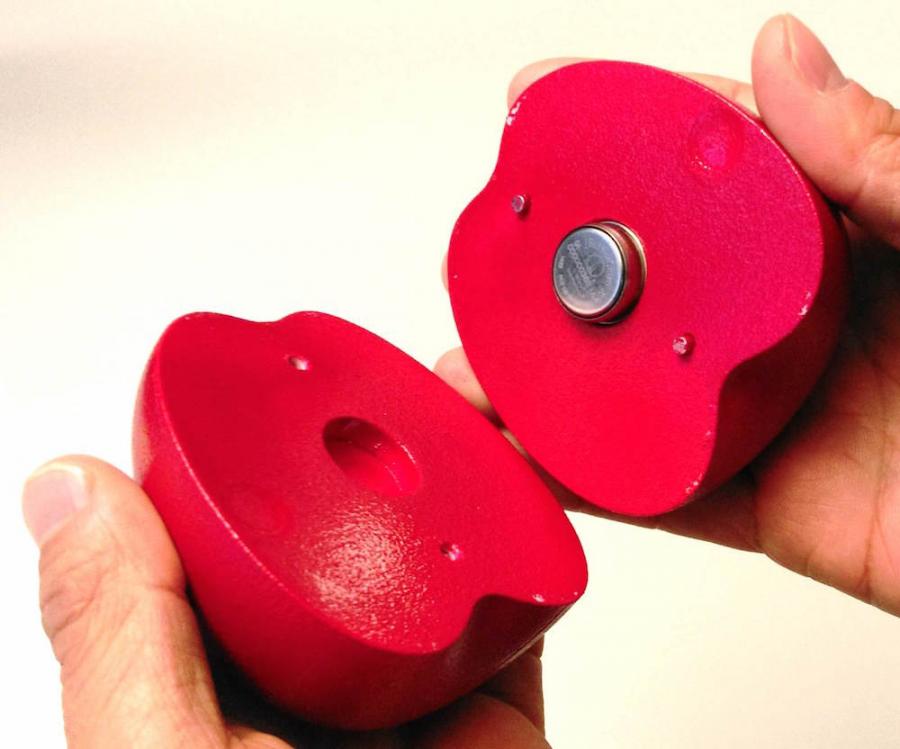
The temperature sensing device created by Empa Swiss Federal Laboratories for Materials Science and Technology looks and acts like a piece of fruit, down to its shape, size, surface texture, color, and internal composition. The self-powered wireless electronic sensor is surrounded by a solid shell made of polystyrene (a type of plastic), water, and carbohydrates that simulate the fruit’s flesh, according to Thijs Defraeye, a scientist at Empa who is leading the project. Traditional sensors used for this application usually only measure the air temperature in the freight container. To accurately gauge how produce is holding up, though, you need to know the fruit’s core temperature, as a warm inner can lead to spoilage.

The device can be tailor-made for the particular type of fruit, even down to a specific cultivar, like a Braeburn apple or a Kent mango, and it can be packed directly with the fresh produce while in storage or during shipping, says Defraeye. Once the shipment arrives at its destination, the data—things like what the fruits’ core temperature was over time—can be quickly analyzed to determine if there were any problems during the trip.

A fruit spy among mangoes. Empa

In the U.S., an average of 12 percent of fresh fruits and vegetables are lost before making it to the consumer. According to the United Nations’ Food and Agriculture Organization, globally about 1.4 billion tons of food—a value of more than $1 trillion—are lost or wasted each year, about 30 percent of which happens post-harvest (that includes storage and shipping).

Defraeye believes there are a variety of different applications for the sensor all along the supply chain—from greenhouses and orchards, to cold storage and ripening facilities, to the transportation sector—by exporters, importers, wholesalers, and retailers alike.

“They will be able to better pinpoint the location and reason for unexpected quality loss, which is essential for quality claims,” Defraeye tells Modern Farmer in an email.

Initial field tests on the sensors are under way and the researchers are now looking for potential industrial partners to manufacture the devices, which they believe would cost less than $50 per unit.

|  A ModernFarmer release  ||  April 18, 2017   |||

Published in AGRICULTURE
Tagged under
  • Agriculture
  • primary sector news

Related items

  • Farmers are being urged to trade in their cows for a flock of sheep
  • From plastic to posts
  • A step forward in fertiliser technology
  • A clear vision for New Zealand’s waterways
  • New Zealand Frost Fans considers next phase
More in this category: « The Putauaki Trust in Bay of Plenty hopes to have its own milk powder plant by 2019. Meat co-ops search for winning formula »
back to top

Palace of the Alhambra Spain

Palace of the Alhambra, Spain

By: Charles Nathaniel Worsley (1862-1923)

From the collection of Sir Heaton Rhodes

Oil on canvas - 118cm x 162cm

Valued $12,000 - $18,000

Offers invited over $9,000

Contact:  Henry Newrick – (+64 ) 27 471 2242

Henry@HeritageArtNZ.com


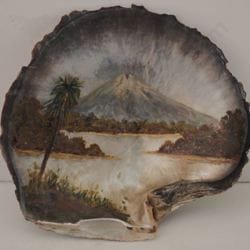
Mount Egmont with Lake

Mount Egmont with Lake 

By: John Philemon Backhouse (1845-1908)

Oil on Sea Shell - 13cm x 14cm

Valued $2,000-$3,000

Offers invited over $1,500

Contact:  Henry Newrick – (+64 ) 27 471 2242

Henry@HeritageArtNZ.com

MSC NewsWire is a gathering place for information on the productive sector in New Zealand focusing on Manufacturing, Productive Engineering and Process Manufacturing

  • Home
  • Global Presswire
  • Industry Organisations
  • National Press Club
  • Disclaimer
  • About Us
  • Pricing
  • Sitemap
Copyright © 2025 MSC NewsWire. All Rights Reserved.
Site Built & Hosted by iSystems Limited
Top
The Bottom Line