
MSC NewsWire

Founded by Max Farndale 1947 - 2018
  • Home
    • About Us
    • Pricing
    • Global Presswire
    • Industry Organisations
  • News Sectors
    • Headlines Through Today
    • Environmental Talk
    • Out of The Beehive
    • Primary Sector Talk
    • Reporters Desk
    • The MSC NewsReel
    • MSCNetwork
    • FinTech Talk
    • The FactoryFloor Newsreel
    • Trade Talk
    • News Talk
    • Industry Talk
    • Technology Talk
    • Blockchain
    • Highlighted
    • The TravelDesk
      • TravelMedia
      • Sporting Tours
      • Holidays Tours Events + More
      • Airfares
      • Travel Enquiry Form
      • TravelBits
    • Travel Updates
    • The MSC TravelDesk Newsreel
    • Travel Talk
    • Travel Time
    • The Bottom Line
    • Regional News
    • News to Run Advice Form
    • World News
    • NewsDIRECT
    • MSCVoxPops
    • Press Releases
  • National Press Club
  • Contact Us

Japan's reborn ceramics that weld past to present

  • font size decrease font size increase font size
  • Print
  • Email
Japan's reborn ceramics that weld past to present

TOKYO -- "The wound is the place where the light enters you." These words of the 13th century Persian poet Rumi sang in my head as I examined a simple, ceramic bowl in a tiny cafe in a western suburb of Tokyo. The bowl had been elevated to a luminous, compelling objet d'art, by the gold-filled cobweb of cracks snaking across it.

Light had indeed entered this bowl along the lines where it had once shattered, thanks to the particular Japanese art of repairing ceramics called kintsugi. The technique uses the sap of the urushi tree, a powerful natural adhesive, mixed with powdered gold.

Unlike other methods of repair like welding or gluing, kintsugi's power lies in its refusal to disguise the brokenness of an object. It does not aim to make what is broken as good as new, but to use the cracks to transform the object into something different, and arguably even more valuable.

Kunio Nakamura demonstrates the kintsugi technique. (Photo by Pallavi Aiyar)Kintsugi (kin means gold and tsugi means to join) is not just a practical craft, although it undoubtedly prolongs the utility of things. It is also a philosophy that speaks to the human condition. As with much of Japanese aesthetics it is steeped in philosophical concepts rooted in Zen Buddhism.

One of these is wabi-sabi, an aesthetic ideal that emerged in the 15th century as a reaction to the contemporary preference for ornate designs and rich materials.
Continue to full article

From Over the Wires with MSC
Published in OFF THE WIRES
More in this category: « 100% New Zealand success motivates Australian exporters! Innovation critically important, says Mondelez head »
back to top

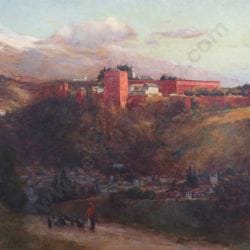
Palace of the Alhambra Spain

Palace of the Alhambra, Spain

By: Charles Nathaniel Worsley (1862-1923)

From the collection of Sir Heaton Rhodes

Oil on canvas - 118cm x 162cm

Valued $12,000 - $18,000

Offers invited over $9,000

Contact:  Henry Newrick – (+64 ) 27 471 2242

Henry@HeritageArtNZ.com


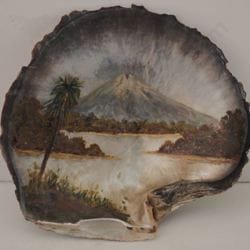
Mount Egmont with Lake

Mount Egmont with Lake 

By: John Philemon Backhouse (1845-1908)

Oil on Sea Shell - 13cm x 14cm

Valued $2,000-$3,000

Offers invited over $1,500

Contact:  Henry Newrick – (+64 ) 27 471 2242

Henry@HeritageArtNZ.com

MSC NewsWire is a gathering place for information on the productive sector in New Zealand focusing on Manufacturing, Productive Engineering and Process Manufacturing

  • Home
  • Global Presswire
  • Industry Organisations
  • National Press Club
  • Disclaimer
  • About Us
  • Pricing
  • Sitemap
Copyright © 2025 MSC NewsWire. All Rights Reserved.
Site Built & Hosted by iSystems Limited
Top
The MSC TravelDesk Newsreel