
MSC NewsWire

Founded by Max Farndale 1947 - 2018
  • Home
    • About Us
    • Pricing
    • Global Presswire
    • Industry Organisations
  • News Sectors
    • Headlines Through Today
    • Environmental Talk
    • Out of The Beehive
    • Primary Sector Talk
    • Reporters Desk
    • The MSC NewsReel
    • MSCNetwork
    • FinTech Talk
    • The FactoryFloor Newsreel
    • Trade Talk
    • News Talk
    • Industry Talk
    • Technology Talk
    • Blockchain
    • Highlighted
    • The TravelDesk
      • TravelMedia
      • Sporting Tours
      • Holidays Tours Events + More
      • Airfares
      • Travel Enquiry Form
      • TravelBits
    • Travel Updates
    • The MSC TravelDesk Newsreel
    • Travel Talk
    • Travel Time
    • The Bottom Line
    • Regional News
    • News to Run Advice Form
    • World News
    • NewsDIRECT
    • MSCVoxPops
    • Press Releases
  • National Press Club
  • Contact Us

Black, bendable, lightweight and cheap: inside the coming solar panel revolution

  • font size decrease font size decrease font size increase font size increase font size
  • Print
  • Email
Black, bendable, lightweight and cheap: inside the coming solar panel revolution

When it comes to solar panels, the future is flexible. Vanessa Young discovers how a MacDiarmid project is unlocking the possibilities of a new generation of solar cell technology.

When we imagine solar panels, we think of hard rectangle frames, sitting upright on roofs, or spread out across expanses of deserts.

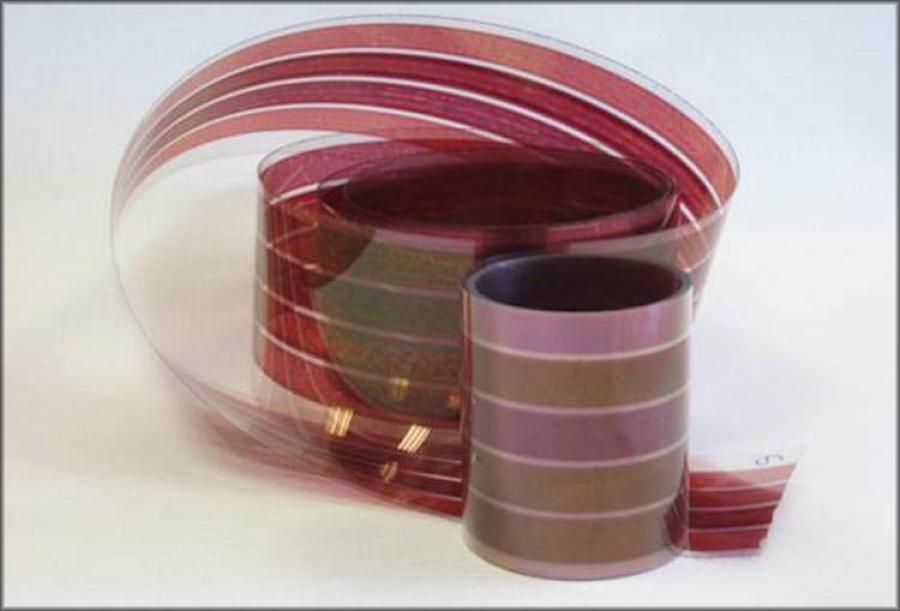
But imagine flexible, bendy solar panels, supple enough to skin a curved roof, pliable enough to be rolled up and transported easily. Lightweight enough to be a thin film for the roof of a tent. And portable enough to be rolled out to generate power for emergency relief operations, or taken into remote areas.

Printable solar materials that will allow all of this is closer than we think. Victoria University associate professor Justin Hodgkiss, lead researcher in a MacDiarmid Institute project investigating the possibilities presented by ‘printable photovoltaics’, says they will be low cost and could replace silicon as the next generation of photovoltaic (solar energy) materials.

“Silicon cells are getting cheaper but still require a high-temperature, high vacuum manufacturing process. For solar energy to be really accessible it needs to be much cheaper and faster to manufacture.”

He says these printable semiconductors, including polymers and nanoparticles, can potentially be manufactured on a roll, cutting production costs.

“Their ease of transport and light weight also mean it is feasible for these to be manufactured in New Zealand and shipped anywhere in the world.”

New generation flexible solar cell material. Photo: Eight19 Ltd

Shiny is the enemy of good

When we see photos of those bright shiny swathes of solar farms, we don’t automatically think of their shininess as a problem. But Hodgkiss says an ideal solar panel would look black.

“Every bit of light that reflects off a solar panel is light not transformed into energy. When no light bounces off it means all visible light is getting in.”

This is where nanotechnology comes in. He compares the idea to radio antennae on the roof of a building.

“When you see large antennae on the top of buildings, their size is related to the radio frequencies they’re tracking. Radio waves are of the order of metres, so the antenna discs are this size. But optical wavelengths are in the order of hundreds of nanometres.”

He says the MacDiarmid teams working on this are effectively creating tiny antennae that capture light and can direct it inside the solar panels.

“We’re making nano-patterns that make sure that light gets in and is not bounced away, and that capture and focus the light waves directly where it is needed in the solar panels.”

Continue to read the full article here published by The Spinoff on a MacDiarmid Institute Project a MacDiarmid Institute Project  ||  October 3,  2017   |||

Published in TECHNOLOGY
Tagged under
  • technology
  • environment
  • keepingintouch
  • the msc newsreel

Related items

  • Australasian Plastics Manufacturer to Build Its First U.S. Plant
  • Canada: the ideal North American launchpad for your tech business
  • Trade scholarships available for 2019
  • Turning brain scanning on its head with smaller MRIs
  • Government accused of ‘rehashing Project Fear’ as Treasury is set to claim the UK would be £150bn worse off under no deal
More in this category: « Blockchain, Automation Will Drive Logistics Sector Advancement Ara is conducting a week of Antarctic-themed, interactive school holiday programmes, and some high profile, international visitors are on the way. »
back to top

Palace of the Alhambra Spain

Palace of the Alhambra, Spain

By: Charles Nathaniel Worsley (1862-1923)

From the collection of Sir Heaton Rhodes

Oil on canvas - 118cm x 162cm

Valued $12,000 - $18,000

Offers invited over $9,000

Contact:  Henry Newrick – (+64 ) 27 471 2242

Henry@HeritageArtNZ.com


Mount Egmont with Lake

Mount Egmont with Lake 

By: John Philemon Backhouse (1845-1908)

Oil on Sea Shell - 13cm x 14cm

Valued $2,000-$3,000

Offers invited over $1,500

Contact:  Henry Newrick – (+64 ) 27 471 2242

Henry@HeritageArtNZ.com

MSC NewsWire is a gathering place for information on the productive sector in New Zealand focusing on Manufacturing, Productive Engineering and Process Manufacturing

  • Home
  • Global Presswire
  • Industry Organisations
  • National Press Club
  • Disclaimer
  • About Us
  • Pricing
  • Sitemap
Copyright © 2025 MSC NewsWire. All Rights Reserved.
Site Built & Hosted by iSystems Limited
Top
Travel Updates