
MSC NewsWire

Founded by Max Farndale 1947 - 2018
  • Home
    • About Us
    • Pricing
    • Global Presswire
    • Industry Organisations
  • News Sectors
    • Headlines Through Today
    • Environmental Talk
    • Out of The Beehive
    • Primary Sector Talk
    • Reporters Desk
    • The MSC NewsReel
    • MSCNetwork
    • FinTech Talk
    • The FactoryFloor Newsreel
    • Trade Talk
    • News Talk
    • Industry Talk
    • Technology Talk
    • Blockchain
    • Highlighted
    • The TravelDesk
      • TravelMedia
      • Sporting Tours
      • Holidays Tours Events + More
      • Airfares
      • Travel Enquiry Form
      • TravelBits
    • Travel Updates
    • The MSC TravelDesk Newsreel
    • Travel Talk
    • Travel Time
    • The Bottom Line
    • Regional News
    • News to Run Advice Form
    • World News
    • NewsDIRECT
    • MSCVoxPops
    • Press Releases
  • National Press Club
  • Contact Us

New Zealand's CReATE group is developing new bioprinting techniques and biomaterials

  • font size decrease font size increase font size
  • Print
  • Email
New Zealand's CReATE group is developing new bioprinting techniques and biomaterials

The Christchurch Regenerative Medicine and Tissue Engineering Group (CReaTE), a multidisciplinary research team at New Zealand’s University of Otago, is using 3D printing to develop new bioprinting techniques and biomaterials in order to repair damaged tissues following trauma or disease.

3D bioprinting is seen by many as one of the most important emerging technologies in the ongoing battle against tissue damage, whether brought about by trauma or disease. Bioprinting and biomaterials research is taking place all over the world, but a group of medical researchers at the University of Otago, based in Christchurch, South Island, is making determined strides in the field as it commandeers some of New Zealand's most advanced bioprinting equipment. Using their collective expertise, researchers from a number of fields are working to create human tissue and bone using patients’ own cartilage and stem cells combined with special bio-inks.

CReaTE, the regenerative medicine research group in question, is led by Associate Professor Tim Woodfield, and is working at the interface of cell-biology, biomaterials science, and engineering as it attempts identify the complex cellular environments controlling tissue growth in 3D. The group believes that it will someday be able to complete achieve the much-anticipated feat of creating functioning human body parts. The key to the group's progress, according to Woodfield and co, is a new kind of bio-ink, a supporting gel-like substance used to arrange and nurture human cells as they form.

Continue to full article

A Direct from Industry News Stub with msc
Read 10924 times
Published in FROM INDUSTRY
More in this category: « Metal-Cutting Machine Manufacturers Shearing Prices to Generate Sales Solvay expands composite materials capabilities »
back to top

Palace of the Alhambra Spain

Palace of the Alhambra, Spain

By: Charles Nathaniel Worsley (1862-1923)

From the collection of Sir Heaton Rhodes

Oil on canvas - 118cm x 162cm

Valued $12,000 - $18,000

Offers invited over $9,000

Contact:  Henry Newrick – (+64 ) 27 471 2242

Henry@HeritageArtNZ.com


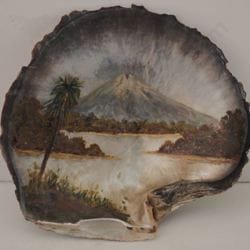
Mount Egmont with Lake

Mount Egmont with Lake 

By: John Philemon Backhouse (1845-1908)

Oil on Sea Shell - 13cm x 14cm

Valued $2,000-$3,000

Offers invited over $1,500

Contact:  Henry Newrick – (+64 ) 27 471 2242

Henry@HeritageArtNZ.com

MSC NewsWire is a gathering place for information on the productive sector in New Zealand focusing on Manufacturing, Productive Engineering and Process Manufacturing

  • Home
  • Global Presswire
  • Industry Organisations
  • National Press Club
  • Disclaimer
  • About Us
  • Pricing
  • Sitemap
Copyright © 2025 MSC NewsWire. All Rights Reserved.
Site Built & Hosted by iSystems Limited
Top
Solar Gard