MSC NewsWire

Founded by Max Farndale 1947 - 2018
  • Home
    • About Us
    • Pricing
    • Global Presswire
    • Industry Organisations
  • News Sectors
    • Headlines Through Today
    • Environmental Talk
    • Out of The Beehive
    • Primary Sector Talk
    • Reporters Desk
    • The MSC NewsReel
    • MSCNetwork
    • FinTech Talk
    • The FactoryFloor Newsreel
    • Trade Talk
    • News Talk
    • Industry Talk
    • Technology Talk
    • Blockchain
    • Highlighted
    • The TravelDesk
      • TravelMedia
      • Sporting Tours
      • Holidays Tours Events + More
      • Airfares
      • Travel Enquiry Form
      • TravelBits
    • Travel Updates
    • The MSC TravelDesk Newsreel
    • Travel Talk
    • Travel Time
    • The Bottom Line
    • Regional News
    • News to Run Advice Form
    • World News
    • NewsDIRECT
    • MSCVoxPops
    • Press Releases
  • National Press Club
  • Contact Us

An Engineer’s Guide to Waterjet Cutting

  • font size decrease font size decrease font size increase font size increase font size
  • Print
  • Email
An Engineer’s Guide to Waterjet Cutting

You don’t get much closer to the spirit of engineering than in the beginnings of waterjet cutting.

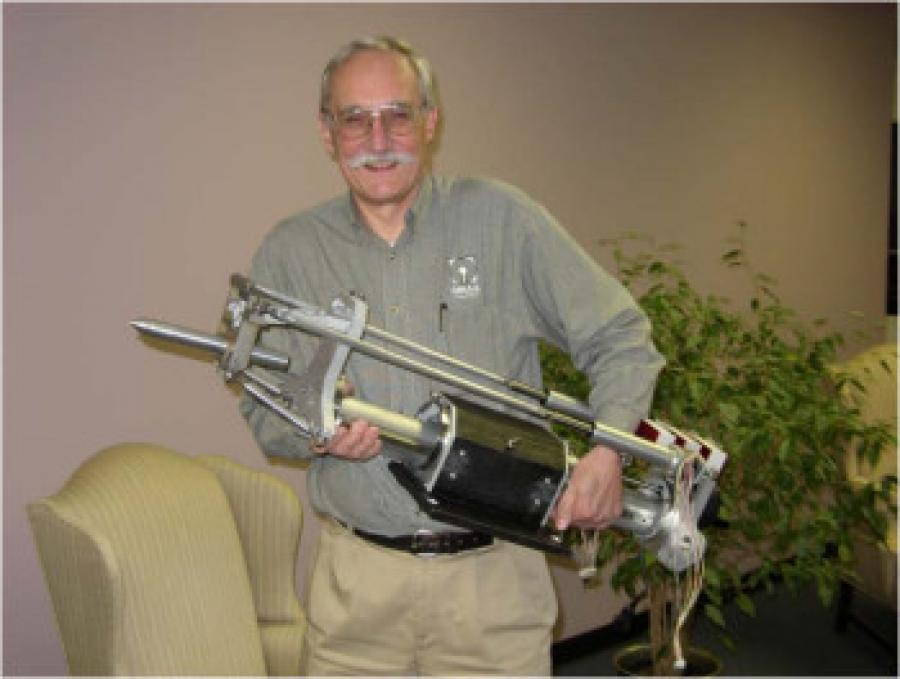
“I got started years ago, in about ’71,” said Dr. John Olsen, one of the originators of waterjet technology and currently VP of operations at Omax Abrasive Waterjets. “I had been reading about some experiments done on rock cutting in England and a friend of mine and I thought it would be fun to try and build a pump and cut something. That was a kind of back-alley operation; it was in my garage and his garage.”  Dr. John Olsen is pictured above holding a tilting head waterjet with two linear actuators.

It might sound like many of the stories you hear about start-ups in Silicon Valley today, but the connections between waterjet and computing technologies run deeper than that, as Dr. Olsen explained:

“Oddly enough, one of the biggest changes that made abrasivejets practical was the advent of the PC. A jet is not a very rigid tool—it bends all over the place and makes taper and what-have-you. To make precision parts, you need quite a bit of computing power to predict what the shape of the jet will be so that you can compensate for it. At the time, we were told ‘Nobody will ever accept a PC on the factory floor. Doesn’t that sound funny today?”

> > > Continue here to the full article images and guide



Published in ENGINEERING
Tagged under
  • Manufacturing
  • Equipment
  • Engineering

Related items

  • Metal or wooden construction submissions welcomed by 21 Dec
  • Former Kiwi Olympian designing sustainable bags inspired by New Zealand's landscape
  • Engineers call for practical action on climate change
  • Free Design Guide - Markforged
  • Autonomous vehicle wins Industry Choice Award at Ara’s Engineering Showcase
More in this category: « Demand drives surging salaries for engineers Engineers welcome Govt's move to secure quake-prone facades »
back to top

Palace of the Alhambra Spain

Palace of the Alhambra, Spain

By: Charles Nathaniel Worsley (1862-1923)

From the collection of Sir Heaton Rhodes

Oil on canvas - 118cm x 162cm

Valued $12,000 - $18,000

Offers invited over $9,000

Contact:  Henry Newrick – (+64 ) 27 471 2242

Henry@HeritageArtNZ.com


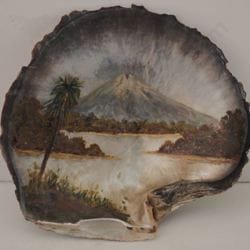
Mount Egmont with Lake

Mount Egmont with Lake 

By: John Philemon Backhouse (1845-1908)

Oil on Sea Shell - 13cm x 14cm

Valued $2,000-$3,000

Offers invited over $1,500

Contact:  Henry Newrick – (+64 ) 27 471 2242

Henry@HeritageArtNZ.com

MSC NewsWire is a gathering place for information on the productive sector in New Zealand focusing on Manufacturing, Productive Engineering and Process Manufacturing

  • Home
  • Global Presswire
  • Industry Organisations
  • National Press Club
  • Disclaimer
  • About Us
  • Pricing
  • Sitemap
Copyright © 2025 MSC NewsWire. All Rights Reserved.
Site Built & Hosted by iSystems Limited
Top
Solar Gard