MSC NewsWire

Founded by Max Farndale 1947 - 2018
  • Home
    • About Us
    • Pricing
    • Global Presswire
    • Industry Organisations
  • News Sectors
    • Headlines Through Today
    • Environmental Talk
    • Out of The Beehive
    • Primary Sector Talk
    • Reporters Desk
    • The MSC NewsReel
    • MSCNetwork
    • FinTech Talk
    • The FactoryFloor Newsreel
    • Trade Talk
    • News Talk
    • Industry Talk
    • Technology Talk
    • Blockchain
    • Highlighted
    • The TravelDesk
      • TravelMedia
      • Sporting Tours
      • Holidays Tours Events + More
      • Airfares
      • Travel Enquiry Form
      • TravelBits
    • Travel Updates
    • The MSC TravelDesk Newsreel
    • Travel Talk
    • Travel Time
    • The Bottom Line
    • Regional News
    • News to Run Advice Form
    • World News
    • NewsDIRECT
    • MSCVoxPops
    • Press Releases
  • National Press Club
  • Contact Us

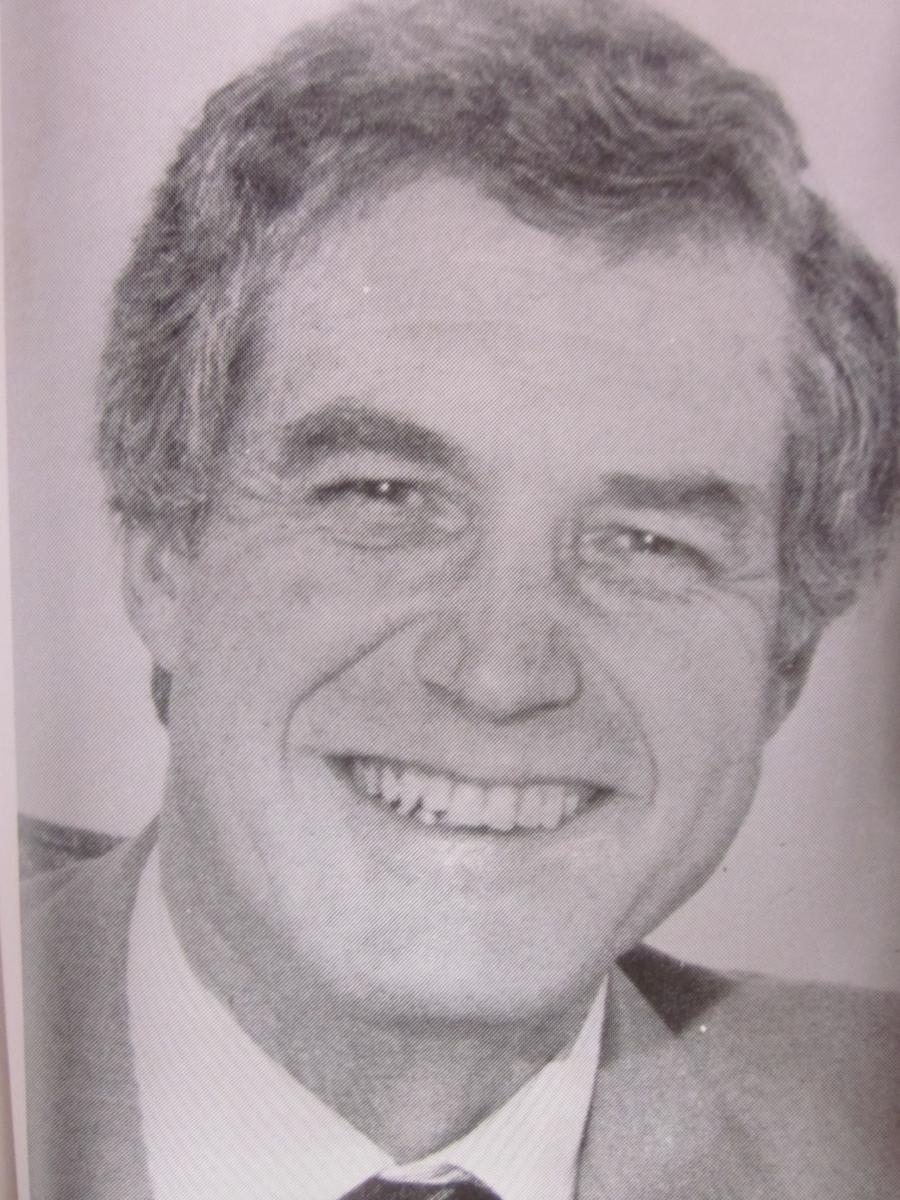
Databank’s Gordon Hogg was Nation’s first Technocrat

  • font size decrease font size decrease font size increase font size increase font size
  • Print
  • Email
Databank’s Gordon Hogg was Nation’s first Technocrat

His systems implementation lesson remains to be learned.

Gordon Hogg who died recently personified the era in which New Zealand could lay claim to be among the most advanced nations, if not the most advanced, in terms of large scale networked computerisation.

At the cusp of the 1960s/70s Gordon Hogg as the head of Databank implemented the world’s first nationwide bank cheque clearing system. From the outset it worked to specification and became for a generation the country’s pre-eminent technological showcase.

It was owned and run by the clearing banks of the era and for almost its entire existence was under the unchallenged direction of Mr Hogg.

He was New Zealand’s first technocrat. A big-picture man he had taken a number of bold decisions and foremost among them was to engage IBM as supplier instead of Burroughs (now Unisys) which was then the recognised banking supplier.

From his eerie atop Databank House in Boulcott Street, he also established Wellington’s first US-style corporate office.

Eschewing the conventional desk centrepiece Mr Hogg arranged himself around a lavish hotel suite layout, thus eliminating the desk barrier which office psychologists were starting to identify as an obstacle to the free exchange of ideas.

Outside were arrayed his lieutenants, all specialists in their fields.

Possessed of matinee idol good looks, imposing height, and a suave yet friendly manner Mr Hogg’s personality permeated this, for New Zealand, very large organisation.

He ran it as a benevolent fiefdom.

On one occasion his own house was under re-decoration and one of the tradespeople without knowing who Hogg was confessed that what he really wanted to do was work in the computer sector.

Admiring the young man’s craftsmanship, Hogg put him into a career at Databank.

The question raised to this day by Databank is this. How did such a gigantic and pioneering computerised set-up perform as it should have done from the get-go?

Other subsequent and far less innovative institutional large scale networked systems in contrast continue to stutter and stall at implementation with each party blaming the other for non-performance.

In the cool mists of time we can now define some indicators.

The central one is Gordon Hogg’s surprise selection of IBM as the supplier.

At this time IBM globally had in the slogan of the era “bet the company” on the success of its 360 mainframe series, quite different from anything that had gone before.

Gordon Hogg always knew that IBM therefore had to guarantee the success of what would become a central global reference site for this very series.

In other words, IBM would have to keep its feet to the fire and always be ready in terms of deploying its high-level technical expertise onto the project as and when it was required.

There would be no distractions. No dilution of available expertise then or in the future.

“Big systems, doing big things,” was a Gordon Hogg motto and as it turned out, a highly workable one.

| from the This email address is being protected from spambots. You need JavaScript enabled to view it.   ||  saturday 17 February 2018   |||



Published in EXCLUSIVE
Tagged under
  • exclusive
  • The Reporters Desk
  • technology
  • the msc newsreel

Related items

  • Assault and Battery on Pastoral Economy
  • Shane Jones Extinguishes De-Banking Blackmail
  • Jews Indigenous to Homeland Israel
  • Australia Green Energy Superpower Lures Elon Musk
  • Australian Election Campaign U-Turn Riddle in New Zealand
More in this category: « Real Reasons for Prince Al Waleed’s Quarter Year Captivity Will Never Be Known Facebook Empowers Fraudsters: Bosses Terrified to Sound Alarm Due to Social Network Induced Privacy Panic »
back to top

Palace of the Alhambra Spain

Palace of the Alhambra, Spain

By: Charles Nathaniel Worsley (1862-1923)

From the collection of Sir Heaton Rhodes

Oil on canvas - 118cm x 162cm

Valued $12,000 - $18,000

Offers invited over $9,000

Contact:  Henry Newrick – (+64 ) 27 471 2242

Henry@HeritageArtNZ.com


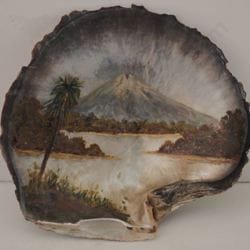
Mount Egmont with Lake

Mount Egmont with Lake 

By: John Philemon Backhouse (1845-1908)

Oil on Sea Shell - 13cm x 14cm

Valued $2,000-$3,000

Offers invited over $1,500

Contact:  Henry Newrick – (+64 ) 27 471 2242

Henry@HeritageArtNZ.com

MSC NewsWire is a gathering place for information on the productive sector in New Zealand focusing on Manufacturing, Productive Engineering and Process Manufacturing

  • Home
  • Global Presswire
  • Industry Organisations
  • National Press Club
  • Disclaimer
  • About Us
  • Pricing
  • Sitemap
Copyright © 2025 MSC NewsWire. All Rights Reserved.
Site Built & Hosted by iSystems Limited
Top
Solar Gard