MSC NewsWire

Founded by Max Farndale 1947 - 2018
  • Home
    • About Us
    • Pricing
    • Global Presswire
    • Industry Organisations
  • News Sectors
    • Headlines Through Today
    • Environmental Talk
    • Out of The Beehive
    • Primary Sector Talk
    • Reporters Desk
    • The MSC NewsReel
    • MSCNetwork
    • FinTech Talk
    • The FactoryFloor Newsreel
    • Trade Talk
    • News Talk
    • Industry Talk
    • Technology Talk
    • Blockchain
    • Highlighted
    • The TravelDesk
      • TravelMedia
      • Sporting Tours
      • Holidays Tours Events + More
      • Airfares
      • Travel Enquiry Form
      • TravelBits
    • Travel Updates
    • The MSC TravelDesk Newsreel
    • Travel Talk
    • Travel Time
    • The Bottom Line
    • Regional News
    • News to Run Advice Form
    • World News
    • NewsDIRECT
    • MSCVoxPops
    • Press Releases
  • National Press Club
  • Contact Us

A minimalist Japanese architect is designing homes for refugees that they can build themselves

  • font size decrease font size decrease font size increase font size increase font size
  • Print
  • Email
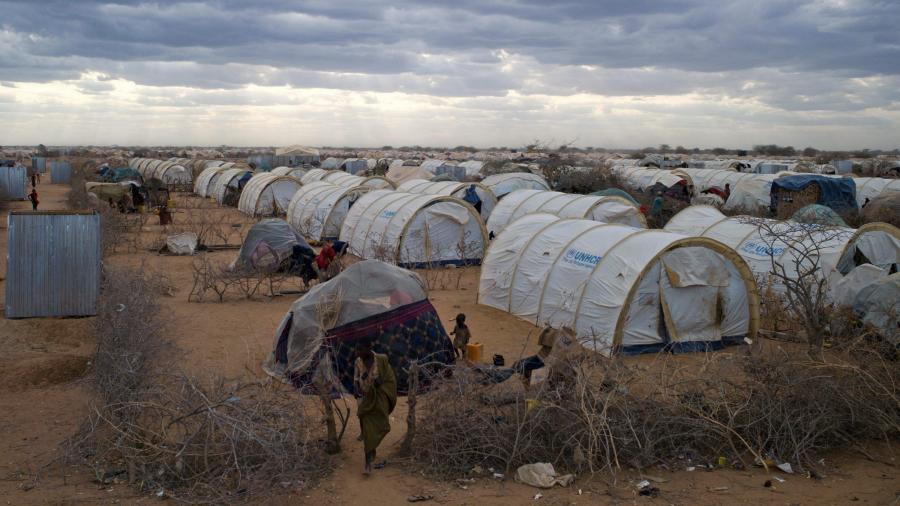
Time for an upgrade. (Reuters/Thomas Mukoya) Time for an upgrade. (Reuters/Thomas Mukoya)

Japanese architect Shigeru Ban, known for making cathedrals and concert halls out of paper, is designing 20,000 new homes for refugees in northwest Kenya. Ban, who won the Pritzker Architecture Prize in 2014, will be working with the UN Habitat to build homes in the Kalobeyei refugee settlement in Kenya’s Turkana region.

After the 2011 earthquake in Christchurch, Ban designed a temporary replacement for the church made out of cardboard. 

Ban, a minimalist who uses materials ranging from cardboard and paper to beer crates, is known for his work on emergency housing. He’s built DIY refugee shelters in Rwanda after the 1994 genocide and in Nepal after its 2015 earthquake2015. His paper log houses have been used in Japan, Turkey, and India. In Kenya, Ban says his goal is to design housing simple enough for residents to replicate and maintain by themselves—Kenya’s refugee population, at about 400,000, is expected to continue growing.

“The key thing will be to design and construct shelter where no or little technical supervision is required, and use materials that are locally available and eco-friendly. It’s important that the houses can be easily maintained by inhabitants,” Ban said after visiting the Kalobeyei settlement last week.

Continue to full article here
Published in CONSTRUCTION
Tagged under
  • Construction
  • world
  • the msc newsreel

Related items

  • Australasian Plastics Manufacturer to Build Its First U.S. Plant
  • Canada: the ideal North American launchpad for your tech business
  • Trade scholarships available for 2019
  • Turning brain scanning on its head with smaller MRIs
  • Government accused of ‘rehashing Project Fear’ as Treasury is set to claim the UK would be £150bn worse off under no deal
More in this category: « Ray of light for New Zealand’s housing crisis Construction growth creating job opportunities »
back to top

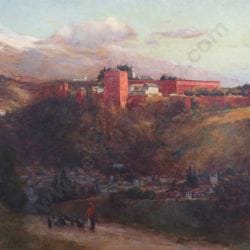
Palace of the Alhambra Spain

Palace of the Alhambra, Spain

By: Charles Nathaniel Worsley (1862-1923)

From the collection of Sir Heaton Rhodes

Oil on canvas - 118cm x 162cm

Valued $12,000 - $18,000

Offers invited over $9,000

Contact:  Henry Newrick – (+64 ) 27 471 2242

Henry@HeritageArtNZ.com


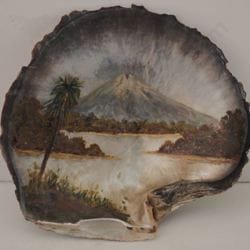
Mount Egmont with Lake

Mount Egmont with Lake 

By: John Philemon Backhouse (1845-1908)

Oil on Sea Shell - 13cm x 14cm

Valued $2,000-$3,000

Offers invited over $1,500

Contact:  Henry Newrick – (+64 ) 27 471 2242

Henry@HeritageArtNZ.com

MSC NewsWire is a gathering place for information on the productive sector in New Zealand focusing on Manufacturing, Productive Engineering and Process Manufacturing

  • Home
  • Global Presswire
  • Industry Organisations
  • National Press Club
  • Disclaimer
  • About Us
  • Pricing
  • Sitemap
Copyright © 2025 MSC NewsWire. All Rights Reserved.
Site Built & Hosted by iSystems Limited
Top
Press Releases